 Protein
 MASS gainers
 PROTEIN BARS
 PRE-WORKOUT COMPLEXES
 CREATINE
 TESTOSTERONE BOOSTERS
 ELECTROLYTES
 COMPLEX AMINO ACIDS
 INDIVIDUAL AMINO ACIDS
 FAT BURNERS
 ISOTONIC DRINKS AND GELS
 SPORTS DRINKS
 ENERGY DRINKS
 VITAMIN COMPLEXES
 INDIVIDUAL VITAMINS
 MINERAL COMPLEXES
 INDIVIDUAL MINERALS
 SLEEP AND RELAXATION
 NERVOUS SYSTEM
 VISION
 Mushrooms
 BONES, CARTILAGE, LIGAMENTS, JOINTS
 HEART AND BLOOD VESSELS
 ENERGY AND BRAIN
 ANTIOXIDANTS
 SKIN, HAIR & NAILS
 IMMUNITY
 POTENCY AND SEXUAL HEALTH
 WOMEN’S HEALTH
 ALLERGY AND ANTI-ALLERGY SUPPORT
 Detoks
 SUPPLEMENTS FOR THE THYROID GLAND
 DIGESTION AND GASTROINTESTINAL TRACT
 Kidneys and Urinary System
 LIVER SUPPORT

 HEALTHY BREAKFASTS
 Tea and coffee
 HEALTHY NUTRITION
 HEALTHY SWEETS

 SPORTS ACCESSORIES
 Gift cards
 Discount card (For free)








 When to take?
 Fitness goals?
 Health. What to choose?
 FRANCHISE
 Trainer Partnership
 B2B
B2B
 25 euro
 50 euro
 100 euro
 Discount Card



Copper
Copper is an essential trace mineral required for energy production, iron metabolism, immune defense, collagen formation, and antioxidant protection. It supports healthy blood vessels, strong bones, and proper nervous system function. Read more
No products were found matching your selection.
Copper is a vital trace mineral that plays a key role in maintaining overall health and supporting numerous physiological processes. Although the body requires only small amounts, copper is involved in some of the most important biological functions, including red blood cell formation, antioxidant defense, connective tissue synthesis, and energy production. Because of its broad impact on health, maintaining adequate copper levels is essential for long-term vitality and proper metabolic balance.
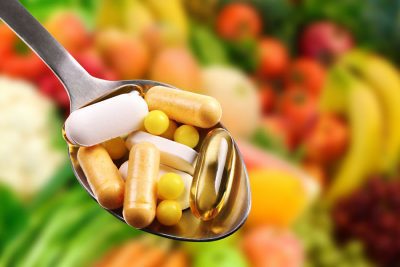
Manganese supplement for bone health and energy metabolism
One of the most important roles of copper is its involvement in iron metabolism. Copper helps the body absorb, utilize, and transport iron, ensuring normal red blood cell formation and preventing fatigue associated with low iron levels. Without sufficient copper, the body cannot efficiently convert iron into hemoglobin, making copper necessary for maintaining healthy oxygen transport and overall energy levels.
Copper is also a key component of powerful antioxidant enzymes such as copper-zinc superoxide dismutase (Cu/Zn SOD). These enzymes neutralize harmful free radicals and protect cells from oxidative stress, which contributes to aging and chronic inflammation. Through its antioxidant activity, copper supports immune function, cardiovascular health, and overall cellular longevity.
Connective tissue formation is another area where copper plays an essential role. It is required for collagen and elastin synthesis, helping maintain strong blood vessels, healthy skin, flexible joints, and resilient cartilage. Adequate copper intake supports wound healing, tissue repair, and the structural integrity of the skeletal system.
The nervous system also depends on copper for proper function. Copper is involved in neurotransmitter synthesis and supports the development and maintenance of nerve cells. Balanced copper levels may contribute to cognitive clarity, stable mood, and long-term neurological health.
Additionally, copper plays a significant role in energy production by participating in mitochondrial function. It helps convert nutrients into ATP, the body’s primary source of energy, making copper important for overall metabolic performance and daily vitality.
Natural dietary sources of copper include nuts, seeds, seafood, whole grains, cocoa, legumes, and organ meats. While a balanced diet typically provides enough copper, certain individuals — such as athletes, older adults, and people with poor nutrient absorption — may benefit from supplementation to maintain optimal levels.
In summary, copper is an essential mineral that supports iron metabolism, antioxidant defense, connective tissue formation, nervous system health, and energy production. Ensuring adequate copper intake helps maintain overall wellness, enhances vitality, and supports long-term healthy aging.